In recent years, the shift towards sustainability has permeated various sectors, including the cookware industry. Consumers are increasingly aware of the environmental impact of their purchases, leading to a surge in demand for eco-friendly cookware options. As a result, platforms like crowncookwaree.com have emerged, catering to this growing market by offering a range of sustainable cookware products. This article delves into the essentials of choosing eco-friendly cookware, backed by recent market statistics and consumer behavior insights.
The cookware market is witnessing a significant transformation. According to a report by Grand View Research, the global cookware market size was valued at approximately $14.8 billion in 2021 and is expected to expand at a compound annual growth rate (CAGR) of 5.2% from 2022 to 2030. This growth is largely driven by the increasing consumer preference for sustainable and non-toxic cooking materials. As more individuals become conscious of their environmental footprint, the demand for eco-friendly cookware is expected to rise sharply.
Key Insight: The increasing consumer demand for sustainable products indicates a shift in purchasing behavior, with 62% of consumers willing to pay more for eco-friendly options.
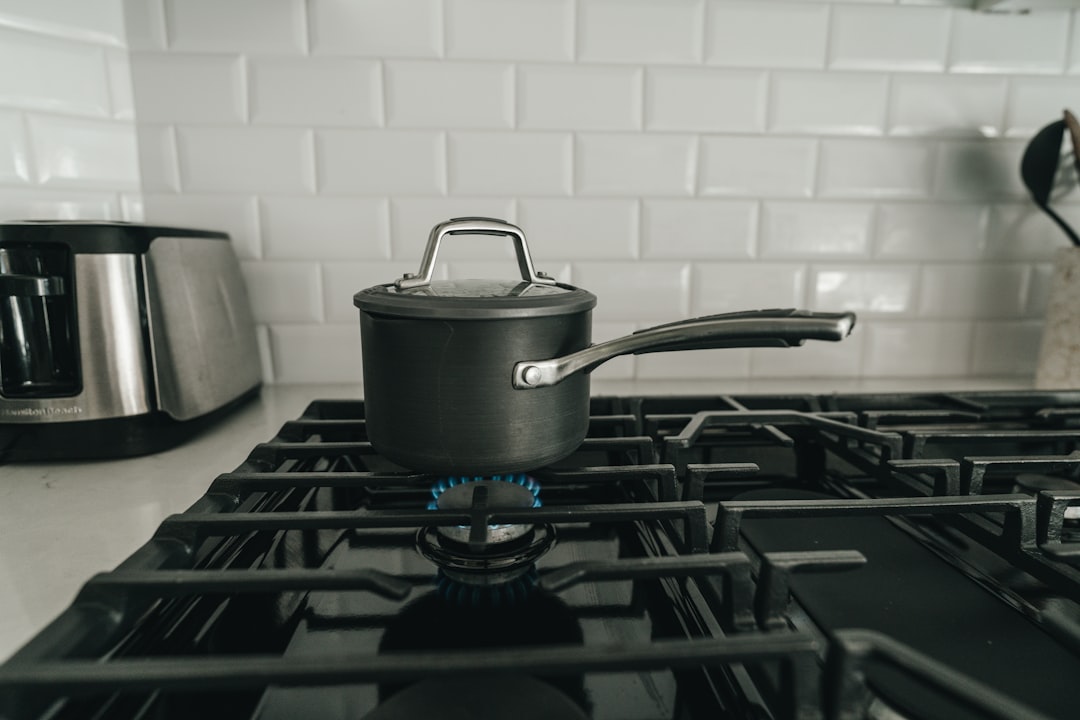
When selecting eco-friendly cookware, it is essential to consider the materials used in the products. Traditional cookware often contains harmful chemicals such as PFOA and PTFE, which can leach into food during cooking. In contrast, eco-friendly cookware is typically made from natural materials like stainless steel, cast iron, and ceramic, which do not pose health risks. For instance, stainless steel cookware is not only durable and resistant to rust but also recyclable, making it a sustainable choice for environmentally conscious consumers.
Another popular option is cast iron cookware, known for its excellent heat retention and even cooking. Cast iron is a natural material that, when properly cared for, can last a lifetime. Moreover, many brands are now offering pre-seasoned cast iron cookware, which eliminates the need for harmful non-stick coatings. This shift towards natural materials is a significant trend in the cookware market, as consumers seek products that align with their values.
Ceramic cookware is also gaining traction as a safe and eco-friendly alternative. Unlike traditional non-stick pans, ceramic cookware is free from toxic chemicals and provides a non-stick surface without the associated health risks. Additionally, many ceramic cookware options are made from recycled materials, further enhancing their sustainability credentials.
As the market for eco-friendly cookware expands, it is crucial for consumers to be informed about the certifications and labels that indicate a product’s sustainability. Look for cookware that is certified by organizations such as the Environmental Protection Agency (EPA) or has a Green Seal certification. These certifications ensure that the products meet strict environmental standards and are safe for both consumers and the planet.
Moreover, the rise of online platforms like crowncookwaree.com has made it easier for consumers to access a wide variety of eco-friendly cookware options. With just a few clicks, shoppers can compare products, read reviews, and make informed decisions about their purchases. This convenience is particularly appealing to the modern consumer, who values both sustainability and efficiency in their shopping experience.
In conclusion, choosing eco-friendly cookware is not just a trend; it is a necessary step towards a more sustainable lifestyle. As the market continues to grow, consumers have more options than ever to select cookware that aligns with their values. By prioritizing materials that are safe, durable, and environmentally friendly, individuals can make a positive impact on their health and the planet. As platforms like crowncookwaree.com continue to innovate and expand their offerings, the future of cookware looks not only sustainable but also promising.